
Merino Wool Base Layer Guide
Base layers come in all manner of weights, sizes and materials. For first time buyers it can all seem a little daunting. There are many options to choose from and picking the correct base layer for your particular needs is of vital importance.
At Nordic Outdoor we can truly say we love the products we stock as they have been tried and tested by our staff, who all have a variety of interests in the outdoors. We are therefore well equipped to guide you through choosing the correct base layer for your own particular needs. Find below our handy base layer guide, which covers merino weights, fit, layering and care, and the ranges we stock.
Ready to buy? Shop our men’s merino base layers or women’s merino base layers, or read on for help choosing the right weight.
In this guide
- What does a base layer need to do?
- Merino, synthetic or cotton?
- 100% merino or a blend?
- Choosing your merino base layer weight
- Aclima's merino ranges explained
- Other merino base layers we stock
- Fit and sizing
- Building a layering system
- Washing and caring for merino
- Merino base layer FAQs
- Shop merino base layers
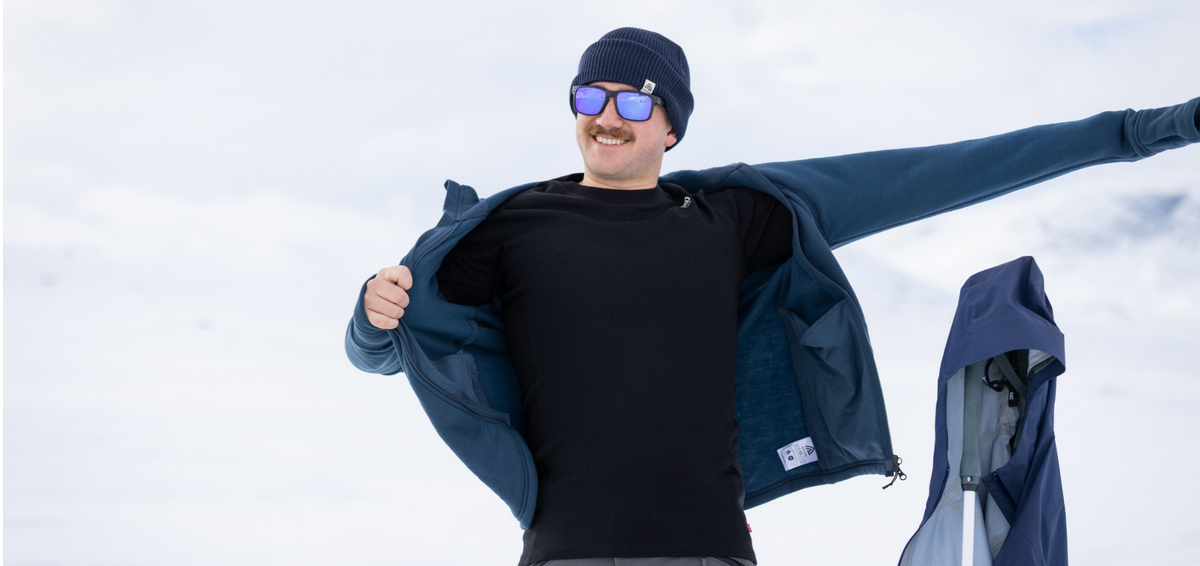
What does a base layer need to do?
First off, it’s important to take a look at what the base layer is responsible for. Obviously depending on your own style of adventure this will change a little from person to person. However generally your base layer acts as a kind of second skin. It will need to:
-
Protection
If the weather gets warm enough for you to go right down to your base layer it needs to offer some form of UV protection. It’s also important to avoid chafing from backpacks and equipment.
-
Maintaining Body Temperature
Another important job of the base layer is to keep your core body temperature regulated. Many people believe base layers are exclusively for colder weather. Whilst it is true that a good base layer needs to keep you warm, it also needs to be breathable enough to avoid overheating in the warmer months or during periods of high activity.
-
Moisture Management
It’s a simple fact, wet clothing makes you cold! Plus it’s bloody uncomfortable. Your base layer needs to wick moisture to the outside layer quickly where it can evaporate or be absorbed by the next layer. This keeps your skin dry and therefore stops a fun trek from becoming a miserable ordeal.
Merino, synthetic or cotton?
Material is the most important place to start when it comes to choosing your base layer. Nowadays you can buy base layers across a wide range of prices in a huge variety of materials. From cotton and wool to hi tech synthetics the market is flooded with materials all with their own benefits and drawbacks. At Nordic Outdoor we like to keep it simple. You won’t find synthetic fibre base layers with us. We stick to wool.
Readers of our blog will know that we hold wool in an extremely high regard. For the factors mentioned above there truly is no substitute. Most of the base layers we stock come from Aclima, a Norwegian wool specialist, alongside merino base layers from Amundsen Sports and Dale of Norway.
Here is how the three main base layer materials compare:
| Merino wool | Synthetic (polyester, polypropylene) | Cotton | |
|---|---|---|---|
| Warmth when damp | Keeps much of its warmth | Fair, helped by drying quickly | Poor: holds water and feels cold |
| Odour | Resists odour over several wears | Can smell after a single wear | Fair |
| Drying speed | Slower than synthetic | Fastest | Slow |
| Durability | Lower in the lightest weights; blends help | High | Medium |
| Price | Higher | Lower | Lowest |
If you need the cheapest or fastest-drying option, a synthetic does the job. If you want a layer you can wear for days, that stays comfortable across a wide range of temperatures, merino is worth the extra.
100% merino or a blend?
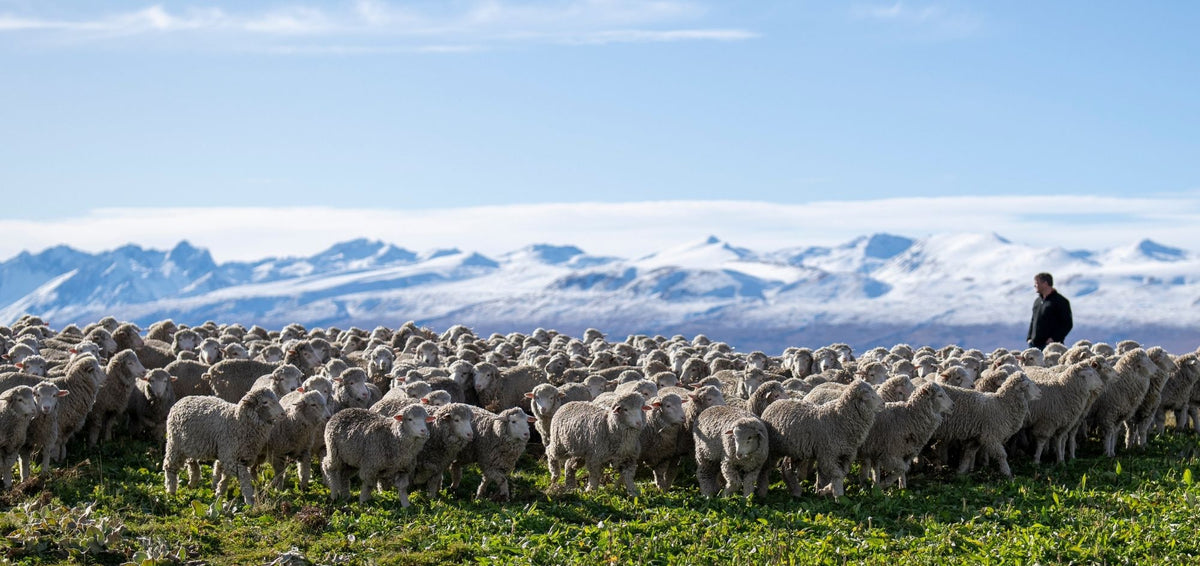
Not every merino base layer is 100% merino, and that includes some of ours. A small amount of polyamide (nylon) or elastane is often knitted in where a garment needs extra strength or stretch. It helps the lightest fabrics last longer and keeps cuffs and waistbands in shape, while the merino still does the work against your skin.
| Range | What it’s made of |
|---|---|
| Aclima LightWool 140 and 180 | 100% merino |
| Aclima WarmWool | 100% merino body; ribbed sections 96% merino, 4% elastane |
| Aclima WoolNet | Mesh 80% merino, 20% polyamide; ribbed panels 96% merino, 4% elastane |
| Aclima DoubleWool | 100% merino outer; mesh lining 80% merino, 20% polyamide |
| Aclima FleeceWool | 93% merino, 7% recycled polyamide |
| Amundsen Sports Hero’s Hide | 100% merino |
| Dale of Norway Vail | 100% merino |
If you want pure merino against your skin, choose LightWool, WarmWool or Hero’s Hide. If you need a layer for hard use and high output, the polyamide in WoolNet’s mesh is there to make it last.
Choosing your merino base layer weight
Merino fabric weight is given in grams per square metre (g/m²). The higher the number, the thicker and warmer the fabric. As a rough guide, up to about 150 g/m² is lightweight, around 180–250 g/m² is midweight, and anything heavier is usually worn as a midlayer rather than next to the skin.
Pick your weight by how hard you’ll be working and how cold it is, not by the temperature alone:
| What you’re doing | Conditions | Weight to look for | From our range |
|---|---|---|---|
| Running, cycling, summer hillwalking | Mild to warm | Mesh or light, 120–140 g/m² | WoolNet, LightWool 140 |
| Ski touring, winter hillwalking, cross-country skiing | Cold, working hard | Mesh or light, under a midlayer | WoolNet, LightWool 140 or 180 |
| Resort skiing, winter walks, everyday cold | Cold, moderate effort | Midweight, 180–220 g/m² | LightWool 180, WarmWool |
| Camping, fishing, spectating, belaying | Cold, standing still | Midweight plus a heavy wool layer | WarmWool with DoubleWool or FleeceWool |
If you run warm, go a step lighter. If you feel the cold or will be still for long periods, go a step heavier, or add a layer rather than buying one very thick base layer.
Aclima’s merino ranges explained
When it comes to comfort, breathability, durability and moisture wicking merino wool is our out and out winner. Aclima, the Norwegian wool specialist behind most of our range, produce 3 distinct weights of wool base layer to suit a wide variety of needs. You can find more about them below.
WoolNet
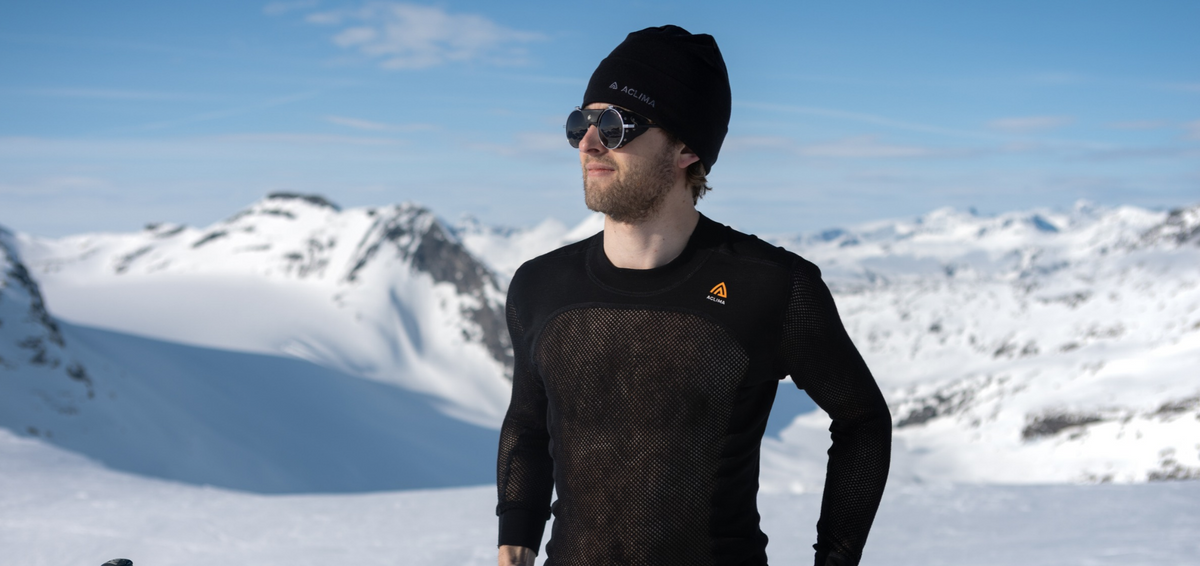
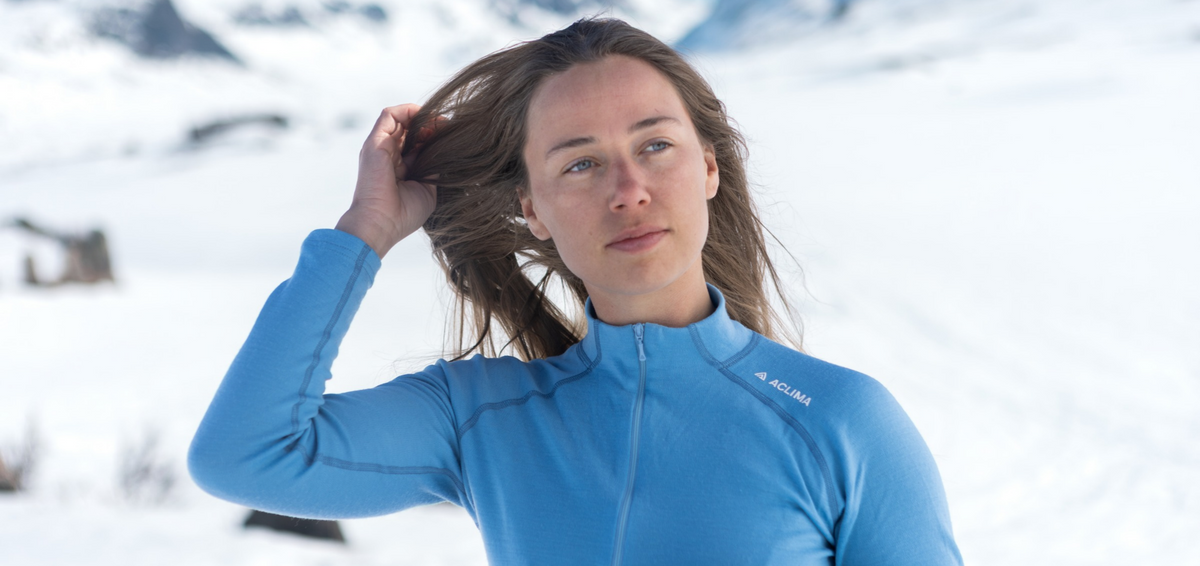
Aclima WoolNet is mesh underwear in Merino Wool giving excellent breathability and ideal for those doing medium to high levels of activity. This range should be your top pick for going on long hikes in the mountains, cycling, cross country skiing or on expeditions. WoolNet makes a very light and comfortable garment with sides, shoulders, elbows and knees covered in rib knit for enhanced comfort. At around 120 g/m², it is the lightest of the three.
Items like the WoolNet crew neck (available in men’s and women’s cuts) should be your first choice of base layer in the summer. Putting one on under your regular base layers in the winter will also have huge benefits.
LightWool
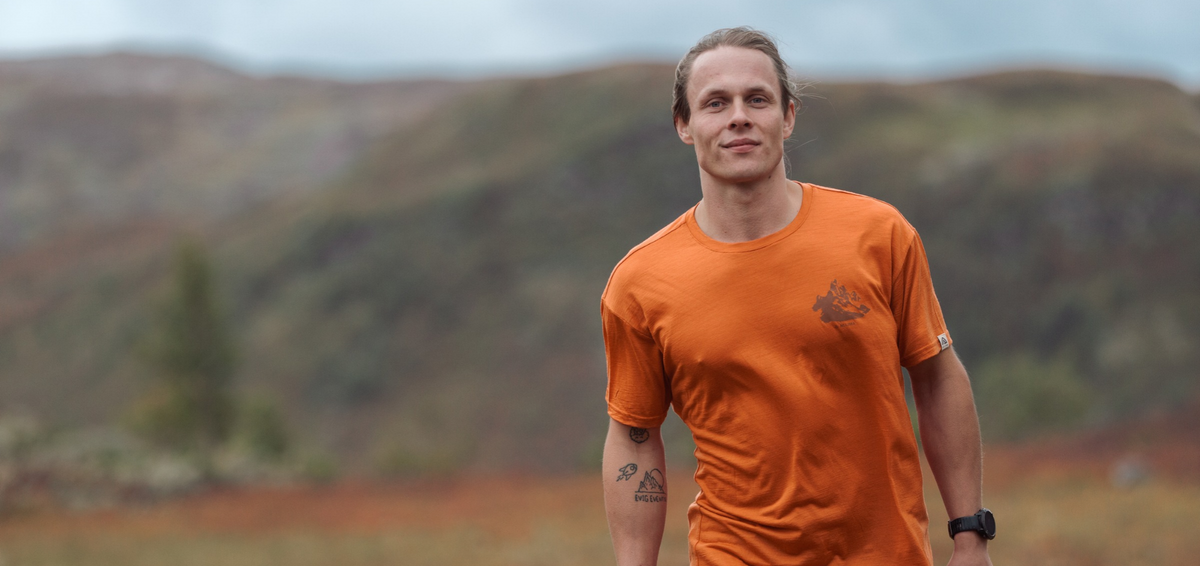
Aclima LightWool garments are made in a superfine 17.5 micron yarn and weigh only 140g/m² meaning they are probably the softest woollen garments you have ever tried and ideal for activities like running, cycling or golf during the summer months or as soft, warm every day clothes. Wool is cooling on warm days as it insulates well against heat from the outside. LightWool 180 is a slightly heavier 180 g/m² version in 19.5 micron merino, with a more relaxed fit.
The garments also resist shrinkage from washing and have longer arm, body and leg lengths so there are no draughty gaps in your thermals.
Some of our favourite examples in this weight range would be the LightWool 140 long-sleeve undershirt (available in men’s and women’s cuts) and the LightWool long pants (men’s and women’s).
WarmWool
Aclima WarmWool in 220 g/m² soft Merino Wool is the most popular Aclima line. This is the traditional woollen underwear made from Total Easy Care (TEC) treated Merino wool, which makes it extra soft. The range is ideally suited to those who like to stay outside, even in sub-zero temperatures, when downhill skiing, paddling, climbing and other outdoors activities.
Our favourite WarmWool base layers would be the WarmWool hooded sweater, the women’s WarmWool rollneck and the WarmWool overalls. You can also find pulse heaters and socks in this weight range for bonus protection.
Other merino base layers we stock
Aclima isn’t the only Norwegian name in our base layer range.
Amundsen Sports Hero’s Hide
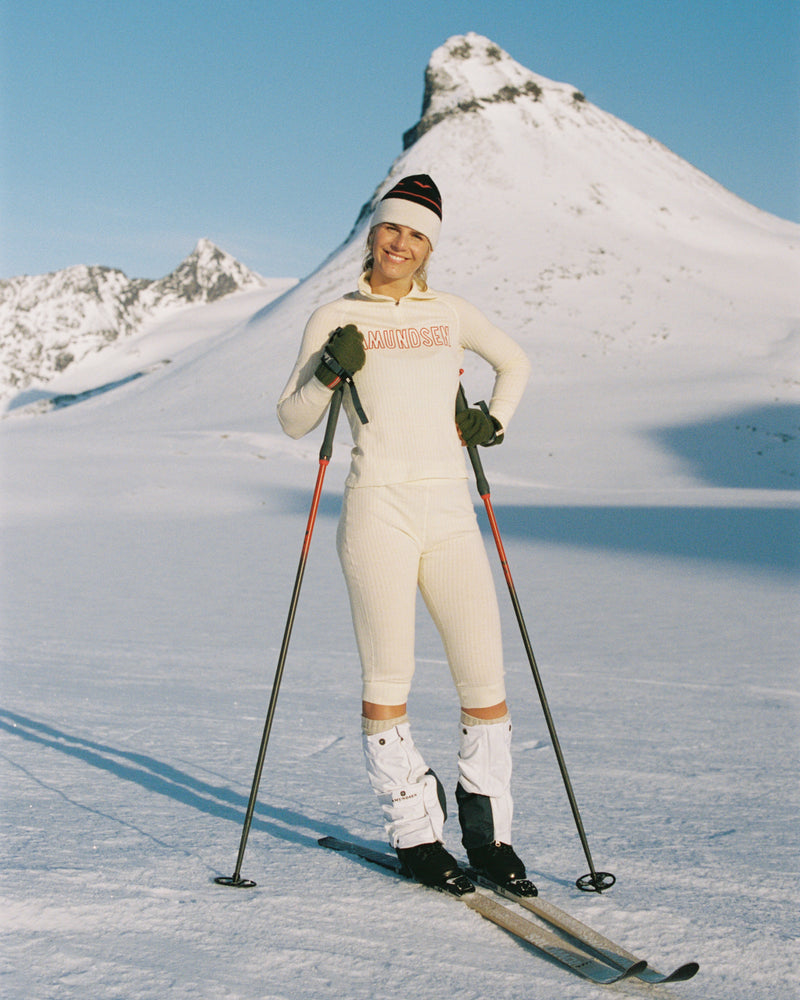
Hero’s Hide is knitted from 100% merino in a dual-surface lace knit, which traps air for insulation on cold days and lets heat out when you warm up. It has a more traditional look than most technical base layers, so it works just as well as an everyday top. Choose from the men’s crew neck and half zip, or the women’s half zip and long janes.
Dale of Norway
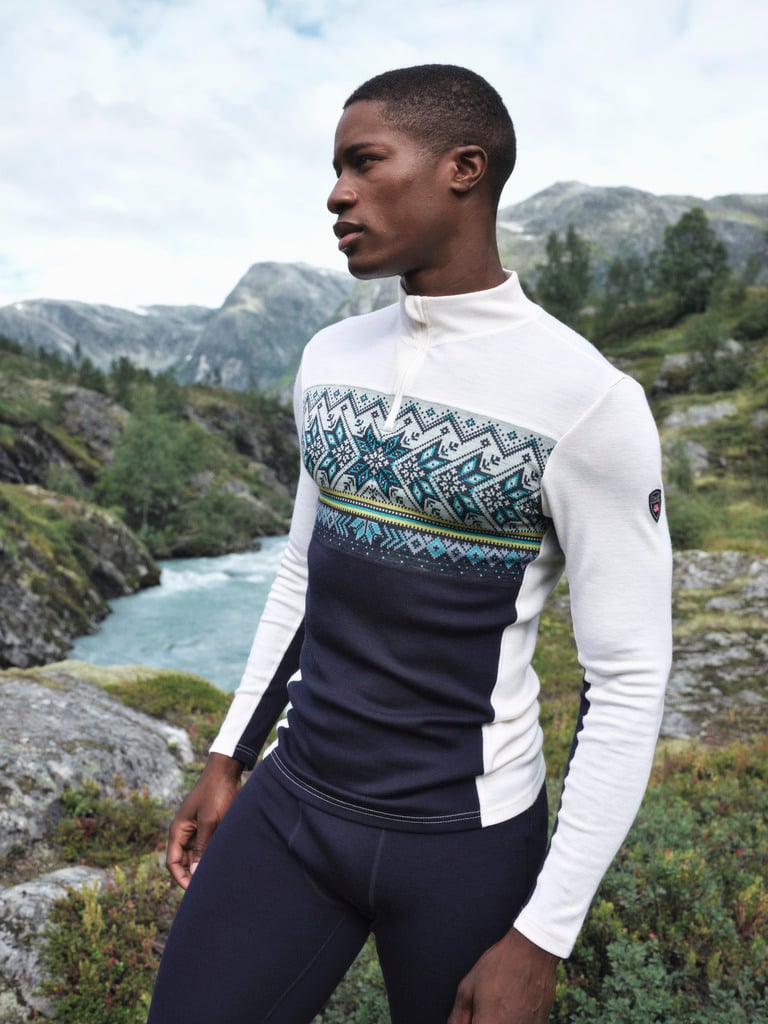
Best known for its Norwegian knitwear, Dale also makes merino base layers in Norway. The men’s Vail half zip is 100% merino, and the Aksla half zip is a merino base layer built for the start of a layering system.
Fit and sizing
A base layer should sit close to your skin without restricting you. It can only move sweat away if it is touching you, so a loose base layer leaves damp air trapped underneath.
- Check the fit label. Aclima describes each piece as slim, regular or relaxed. WoolNet and the LightWool 140 undershirt are slim; LightWool 180 is relaxed, for wearing on its own as well as underneath.
- Look for length. Longer arms and a longer body stop the layer riding up when you reach for a pack strap or bend over a ski boot.
- Men’s and women’s cuts differ. Most of our ranges come in both, cut for different shoulder, chest and hip proportions.
- Between sizes? Choose the smaller size if it will always be worn under other layers, and the larger if you’ll often wear it as your top layer.
For measurements, see our Aclima size guide and clothing size guide, or try them on in one of our shops.
Building a layering system
A base layer is the first of three layers. Each does one job, and you add or remove the middle one as conditions change:
- Base layer: merino next to your skin, moving sweat away and regulating temperature.
- Midlayer: traps warm air. A wool layer such as FleeceWool or DoubleWool, or one of our men’s and women’s fleeces.
- Outer shell: keeps out wind and rain. See our men’s and women’s waterproof jackets.
Aclima also produce two heavier wool fabrics, DoubleWool and FleeceWool, which can be a little too heavy to be considered base layers. They do however work perfectly as midlayers and even standalone jackets!
DoubleWool
DoubleWool combines Aclima’s two base layer fabrics: WoolNet on the inside where you sweat most, and WarmWool on the outside, doubled at the knees, shoulders and elbows where it wears. At around 320 g/m² it works as a warm midlayer, or as a jacket on a cold, dry day. Try the DoubleWool jacket in men’s and women’s cuts.
FleeceWool
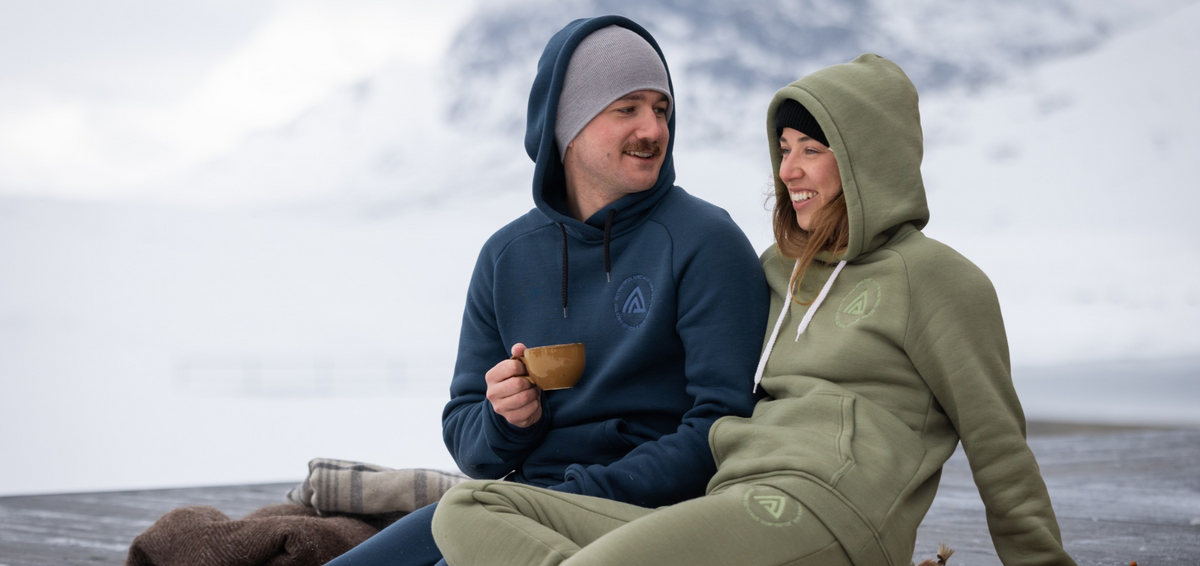
The Fleecewool garments look and feel incredible but you’d be forgiven for thinking it was just another high end hoodie! In actual fact though Fleecewool is made from 93% merino wool, with 7% recycled polyamide for durability. The result is a wonderfully soft and comfortable garment that holds all of the incredible properties that we love in our Aclima base layers. Odour resistance, moisture wicking, breathable and warm the quality of design and materials means that your fleecewool garments will last you many years of big adventures and big nights in. Aclima’s work on FleeceWool won it the Sustainability Award at the 2019 Scandinavian Outdoor Award.
Try the men’s FleeceWool hoodie or crew neck, with FleeceWool joggers to match, or a FleeceWool headover to keep your neck and head warm.
Washing and caring for merino
Look after a merino base layer and it will last for years. Merino resists odour, so it doesn’t need washing after every wear: often an airing overnight is enough. When it does need a wash:
- Use the wool programme on your machine, at 40°C.
- Use a wool detergent.
- Dry it flat.
- Don’t tumble dry.
Always check the label on your garment, as care can vary between ranges and brands.
Merino base layer FAQs
Is a merino wool base layer worth it?
If you’ll wear it often, or for several days at a time, yes. Merino costs more than a synthetic, but it stays comfortable across a wider range of temperatures and resists odour, so you can wear it more and wash it less. If price or drying speed matter most, a synthetic is the cheaper choice.
What weight of merino is best for a base layer?
It depends on how hard you’re working and how cold it is. For most people, a lightweight layer of around 140 g/m² for active days and a midweight of around 220 g/m² for colder, slower days covers the whole year. The weight table above matches activities to our ranges.
Which merino base layer is best?
The one that suits your activity. For high-output days, a mesh such as Aclima WoolNet; for all-round use, LightWool 140; for cold days and standing around, WarmWool. Our staff test what we stock, so ask in one of our shops if you’re unsure.
Does merino wool itch?
Itch comes from coarse fibres, not from wool itself. Merino is finer than human hair, and the merino in Aclima’s base layers is 17.5 to 19.5 micron. If your skin is sensitive, start with LightWool 140, the finest we stock.
Can you wear merino in summer?
Yes. Lightweight merino and mesh breathe well and feel cool on warm days, and resist odour on long, hot days. Read more in our guide to wearing wool in summer.
What base layer should I wear for skiing?
For resort skiing, a midweight such as WarmWool. For ski touring or cross-country, where you work harder, a mesh or lightweight layer such as WoolNet or LightWool. See our guide to merino ski base layers.
Is Aclima’s merino mulesing-free?
Yes. Aclima has a zero-tolerance policy against mulesing, a painful procedure sometimes carried out on merino sheep.
Shop merino base layers
Shop our men’s merino base layers and women’s merino base layers, or browse the full Aclima, Amundsen Sports and Dale of Norway ranges. If you’re still unclear on your needs, stop by one of our shops or email or phone us. We’re always happy to help.